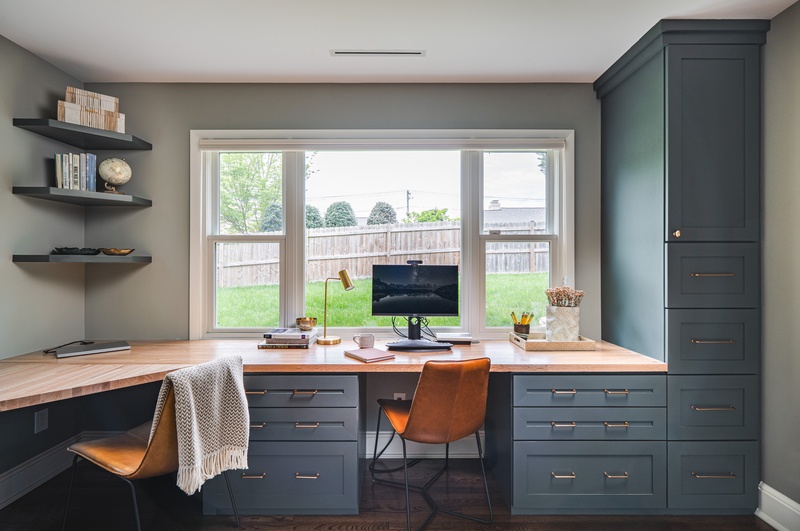
The Renovation Readiness Test: 12 Questions That Tell You Whether to Remodel, Move, or Wait
A smart renovation starts before finishes, floor plans, or estimates. It starts with an honest look at the home and life you have now.
The best answer is not always "remodel." Sometimes it is "move," and sometimes it is "wait until the project can solve the right problem." These 12 questions will help you decide with more confidence.
It is easy to fall in love with a new kitchen or a beautiful primary bath online. The harder question is whether your current house can support the way you want to live. A thoughtful decision at this stage protects your budget and makes every later design choice clearer.
Start with the life test
- 1
Do you still love the location?
Think beyond the address. Consider your daily walkability, schools, friends, commute, view, and the small routines that make a neighborhood feel like home.
- 2
Is the problem a layout problem or a square-footage problem?
Many homes need better circulation, storage, or light rather than a major addition. If the rooms are the right size but connected poorly, remodeling can be especially powerful.
- 3
Can the home adapt to the next chapter?
A new baby, an aging parent, a growing teenager, or a return to office work can all change what "enough house" means. Plan for the next five to ten years, not just this season.
Remodeling is most satisfying when it solves a daily frustration and preserves the parts of home you already value.
Then take the house test
Ask whether the home's bones support the vision. Are there signs of water intrusion, dated systems, poor insulation, or awkward additions? These are not automatic reasons to leave. They are reasons to understand the scope before deciding where money will have the greatest impact.
Also consider the property itself. Setbacks, lot coverage, utility locations, and neighborhood context affect what is possible. A contractor and design team can help turn a vague "could we?" into a practical roadmap.
Three questions that clarify the budget
First, what would you need to spend to buy the home you actually want in the same neighborhood? Second, which improvements would change your daily life most? Third, can you complete the work in logical phases if needed? The answers often reveal that a targeted remodel is more sensible than an all-or-nothing project.
Waiting can also be the right move if you are uncertain about the neighborhood, a job change, or a near-term lifestyle shift. Use that time to collect inspiration, document pain points, and maintain the house well. Preparation is never wasted.
Your next step
Write down the twelve answers with everyone who lives in the home. Patterns will emerge quickly. If your location and structure are still right, a renovation can make the house feel newly aligned with your life. If not, you will have the clarity to make a better move.
Wondering what is possible in your current home?
FineCraft can help you explore a realistic renovation path before you commit.
Schedule a Consultation >