Why Beautiful Homes Feel Calm: The Neuroscience of Sightlines, Storage, and Visual Noise
Calm is not a decorating trend. It is the quiet ease that comes from spaces that make sense the moment you enter them.
The homes that feel most restorative are not necessarily sparse. They are easy to read. You can see where to go, where to put things, and where your eyes can rest.
Our brains are always taking in information. A blocked path, a cluttered counter, or an awkward visual interruption asks for a little more attention than it deserves. Good residential design reduces those tiny demands without making a home feel clinical or impersonal.
- 1
Give the eye a destination
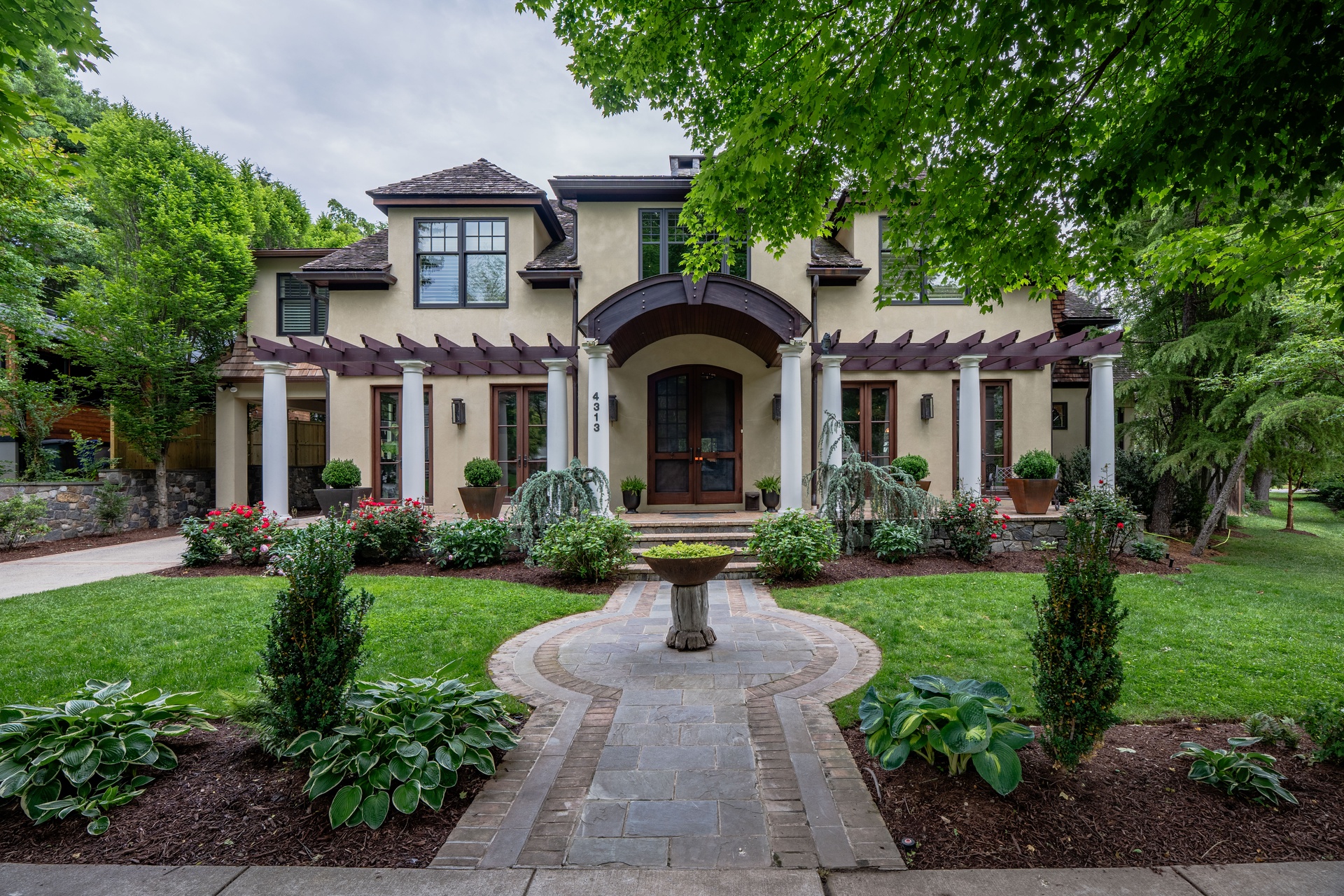
A window, a piece of art, a beautifully proportioned doorway, or a view to the garden can create a visual endpoint. It makes a room feel intentional from the threshold.
- 2
Protect a clear path
Circulation should not compete with furniture, open doors, or a family pile of bags. When movement feels natural, a room feels more generous even before its size changes.
- 3
Build in the storage that daily life needs
The right cabinet, drawer, or concealed charging spot lets the useful things stay close without becoming permanent visual clutter.
Calm is not created by owning less personality. It is created by giving daily life a place to land.
Visual noise is often a layout issue
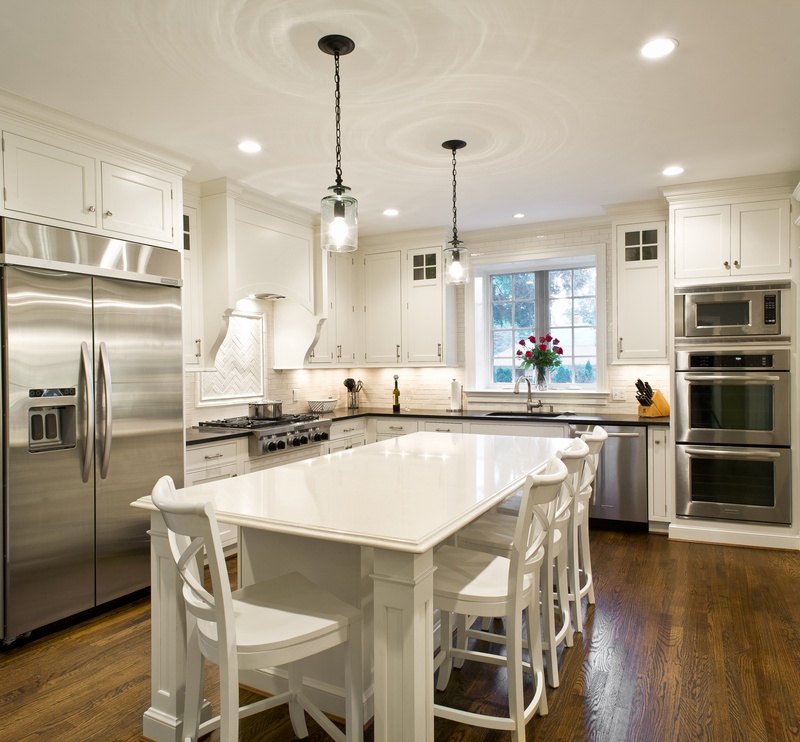
When a room feels busy, the instinct is often to buy baskets or edit the decor. Sometimes that helps. But repeated clutter is usually information: the entry lacks a landing zone, the kitchen lacks a pantry strategy, or the living room is being asked to do too many jobs.
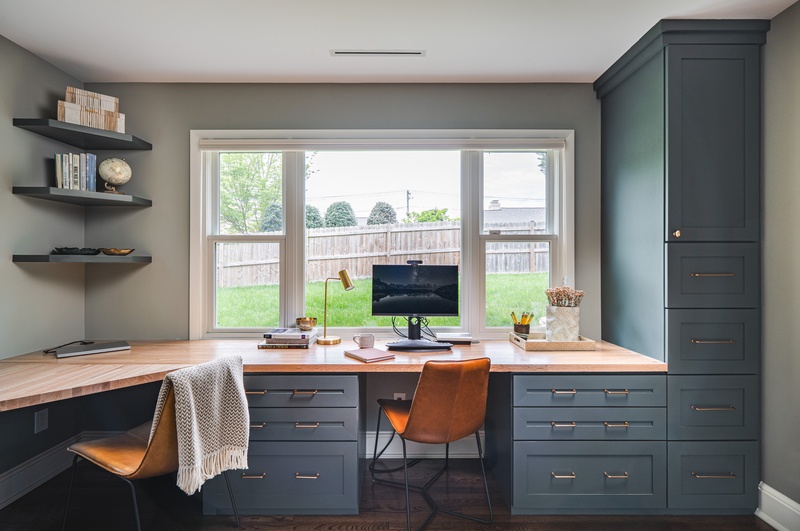
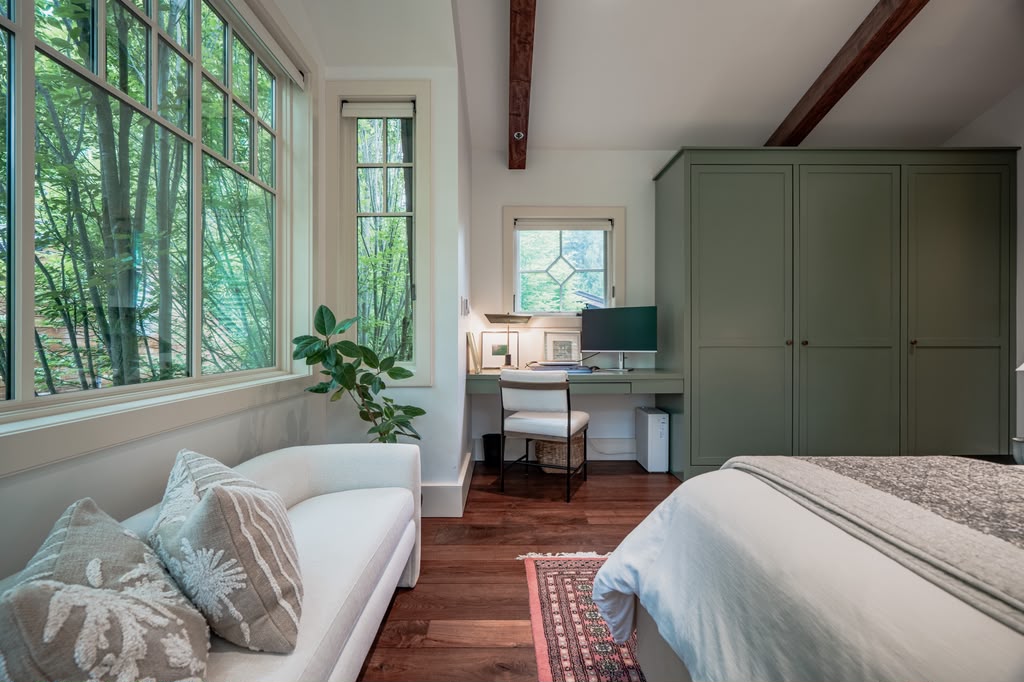
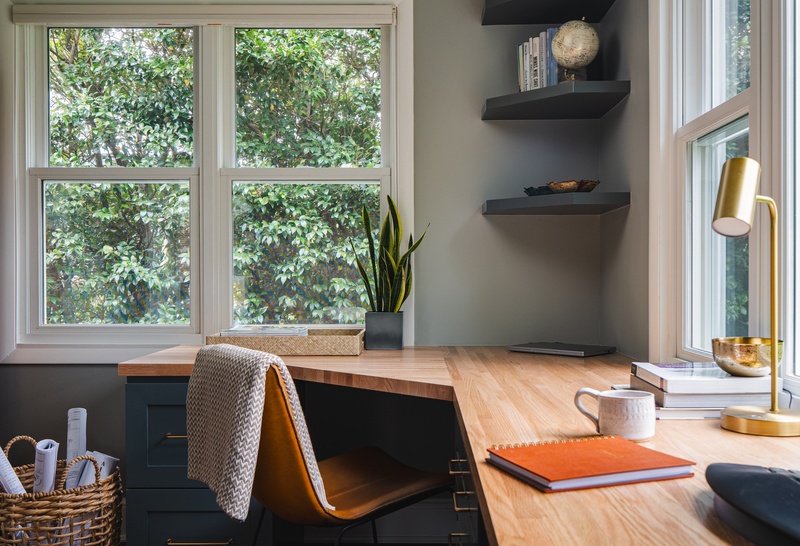
In a renovation, small architectural moves can make an outsized difference. A deeper coat closet, a niche for a printer, a pocket door, or a built-in desk can remove visual pressure while preserving the warmth of the room.
Use contrast with restraint
Homes feel settled when finishes repeat with purpose. That does not mean every room must match. It means the eye can recognize a relationship between materials, color, hardware, and light. A few carefully repeated elements create rhythm without sameness.
Try a simple test tonight. Stand at the entrance to a room and notice what your eye lands on first, where it gets stuck, and what you have to step around. Those observations are a powerful design brief.
Ready for a home that feels as good as it looks?
FineCraft can help translate your routines into spaces with clarity, warmth, and ease.
Schedule a Consultation >